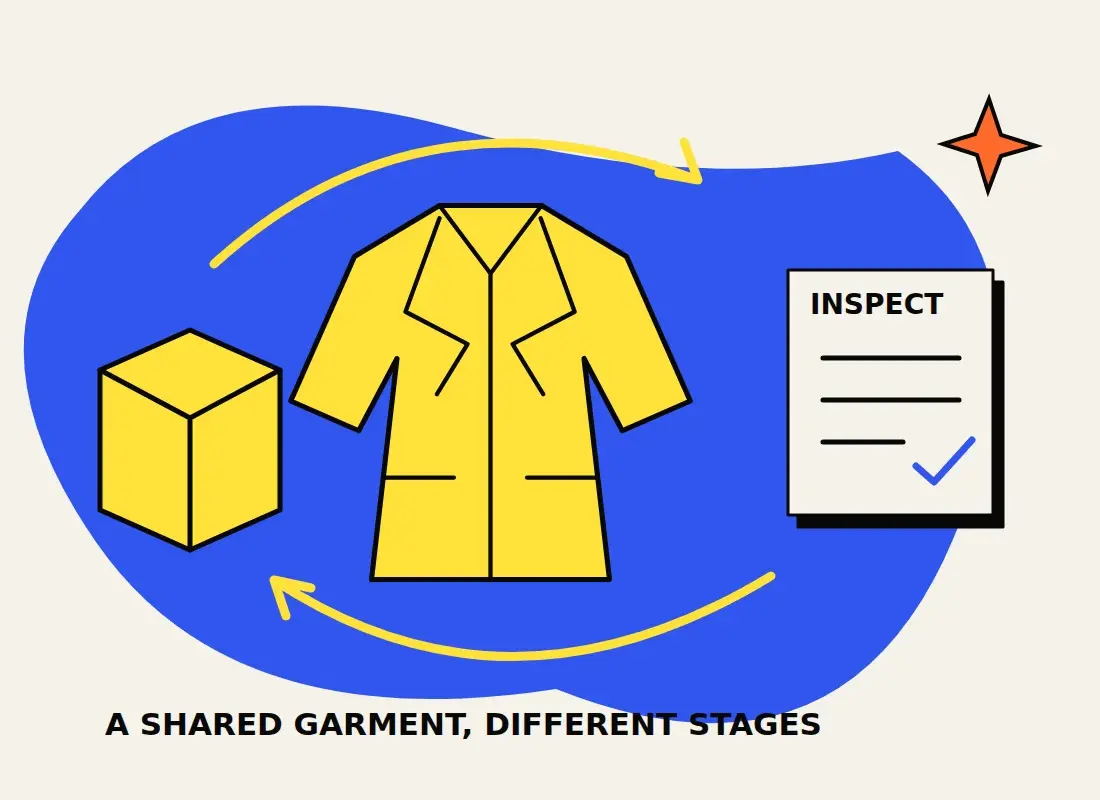
A garment can be suitable for washing and still be unsuitable for the dryer. Before putting it into a laundry load, read the whole care label and decide how you will complete the process. The wash setting answers only part of the question.
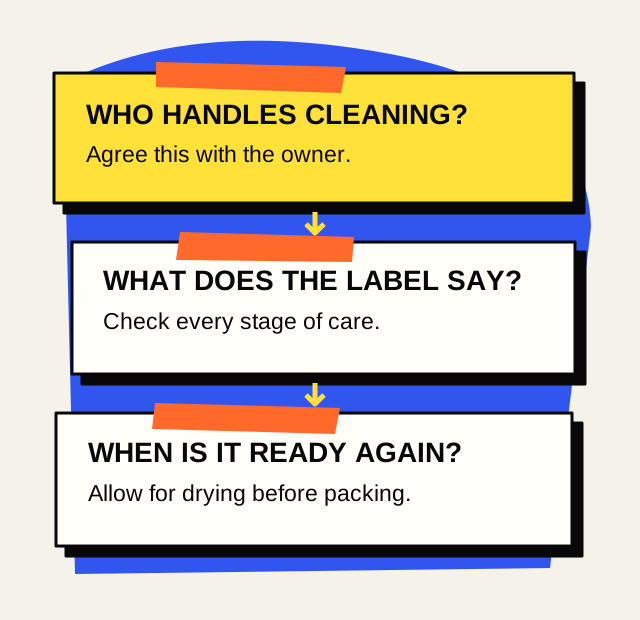
For a borrowed or rented piece, add one earlier check: who is supposed to clean it? A technically possible cleaning method is not automatically the procedure agreed with its owner. Keep the item’s instructions and any relevant loan or rental directions together.
Separate the stages of care
GINETEX’s care-symbol guide groups instructions into washing, bleaching, drying, ironing and professional care. In that system, the number in a washing tub is a maximum temperature in Celsius. Bars underneath call for gentler mechanical treatment. A crossed-out tub prohibits washing; a crossed-out tumble-dryer symbol prohibits tumble drying. Read the entire set rather than borrowing permission from a different stage.
The fibre name is not a substitute for the label. GINETEX specifically says ironing temperature should follow the care label rather than fibre composition alone. When a mark is unfamiliar, look it up in the guide instead of deciding that a small difference in the symbol is decorative.
Give the drying step a place in the plan
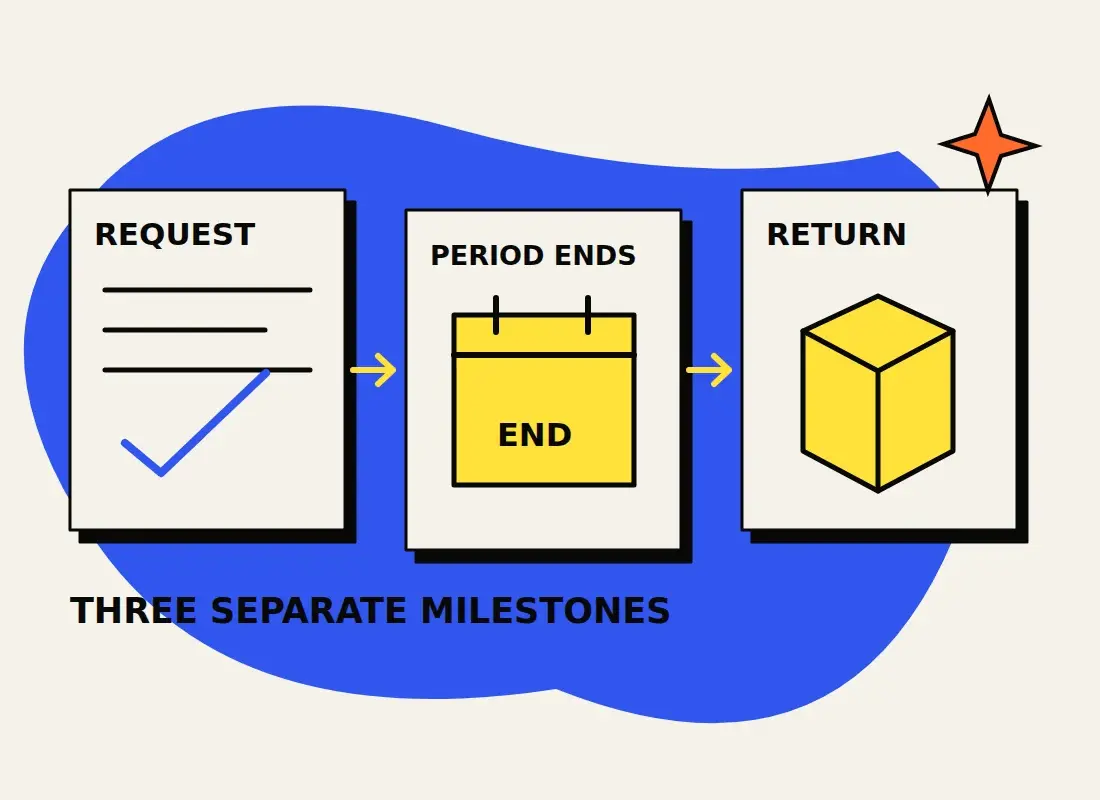
Imagine a fictional borrowed top whose owner asks for it back clean on Friday. Its label allows the selected wash process but specifies flat drying and no tumble drying. Thursday evening’s empty washing-machine slot is not enough information to promise a Friday-morning handover. You also need a suitable drying arrangement and time for the piece to be ready.
The point of this example is the dependency, not a drying-time estimate. No universal number of hours will tell you when every garment is ready. Record the actual requirement, the available space and the handover time. If the plan does not fit, discuss a different arrangement before starting.
A brief note can be enough: “Owner’s cleaning instructions confirmed; label checked; flat-drying space available; inspect before packing.” This is a record of decisions still to carry out, not evidence that the item is already clean or dry.
When the label is missing or hard to read
Pause before turning an uncertain symbol into a machine setting. Photograph any remaining label, identify the item as precisely as you can and ask its owner, manufacturer or a suitable cleaner for item-specific advice. A product name and a picture of the construction give that conversation more substance than “Can I wash this fabric?”
Likewise, a cleaning instruction does not settle every stain question. Note what happened and what, if anything, has already been applied. For a borrowed piece, agree the next step instead of experimenting to make the problem disappear before anyone sees it. This guide does not prescribe a stain-removal chemical or promise that damage can be reversed.
Read the former service’s advice in its own time
In the Box service’s support page captured on March 3, 2024, the operator offered to handle cleaning and told people who chose to clean an item themselves to follow the attached tag. That historical answer does not establish a current service here, or a cleaning rule for every garment you might borrow elsewhere.
The durable lesson is narrower and useful: decide whose instructions govern the item, read all its care stages and make room for the complete process. Add that care window to your weekly wardrobe plan. A piece is available for the next outfit only when its actual care is finished.