The former Box service was built around clothes moving between wardrobes. A member chose possibilities online, received a small selection and sent garments back when ready for another rotation. The clothes were shared inventory, rather than a new set of possessions arriving every month.
The surviving help pages separate browsing from membership, a saved style from a shipment, and an operator’s care promise from evidence about a particular garment. This article compares the company’s own pages captured in 2020–2021 with ten first-party help answers captured between February and April 2024. It is an independent history, not an offer to rent clothes or reopen an old account.
From occasion rentals to a subscription
The former company’s About page captured on September 22, 2020 attributed its founding to Emily McDonald and dated The Stylist LA’s beginning to 2010. It described an initial aim of helping college women rent styles beyond their buying budgets, followed by expansion into two showrooms in Los Angeles and San Francisco.
In that account, changing purchasing habits prompted the launch of The Box subscription. The same page pitched outfits for work, weekends, dates and holidays, alongside the option to buy a rented favorite. That combination explains the service’s angle: access to changing occasion wear, with ownership as a separate choice. These are the former business’s own historical claims; the showroom locations and founder should not be read as current contacts or the ownership of this independent journal.
The earlier pages already separated three pieces from eight choices
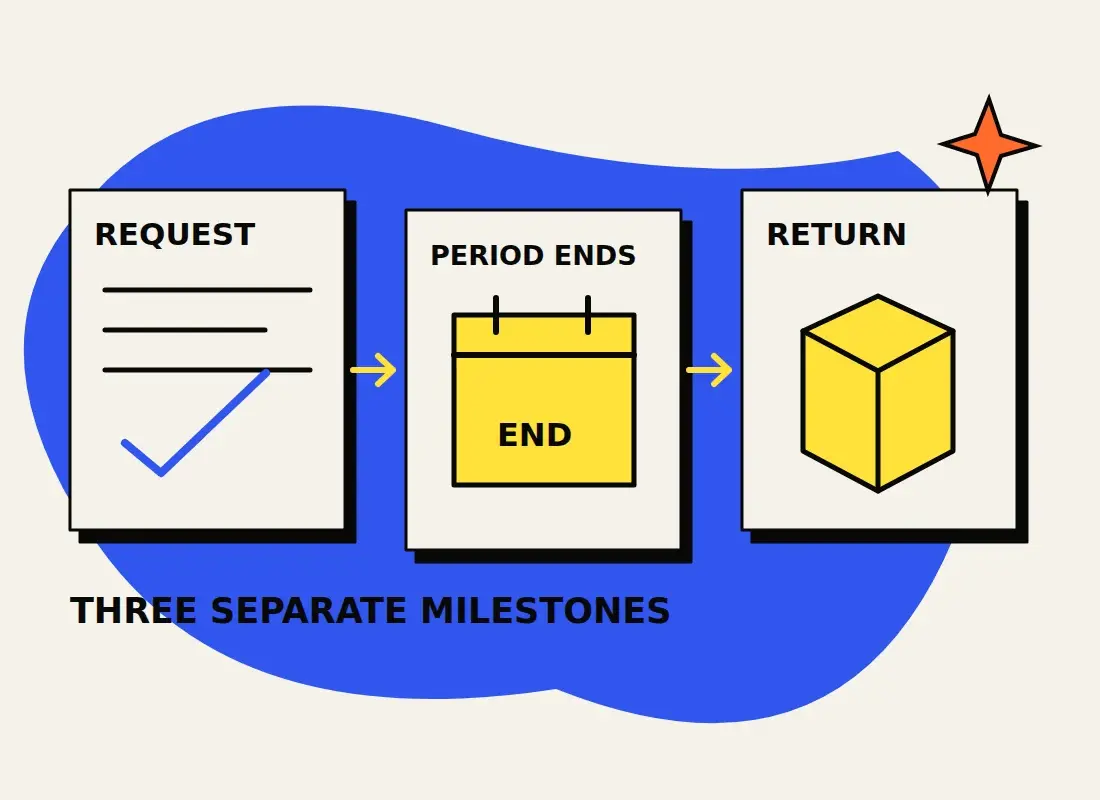
The How It Works page captured on August 14, 2020 described receiving three garments, returning them in a prepaid bag and repeating the cycle, with a separate purchase option. Its tips required at least eight saved choices and suggested twenty. The larger closet was the pool from which a smaller shipment could be selected.
That page advertised included USPS Priority Mail shipping both ways and operator-managed dry cleaning. A landing page captured on March 6, 2021 repeated the three-at-a-time model and included exchanges. The recurring description establishes continuity in the published model, not unchanged terms in every year or a record that a particular parcel was cleaned or delivered. The later help answers below supply more detailed conditions.
Three pieces in a circulating wardrobe
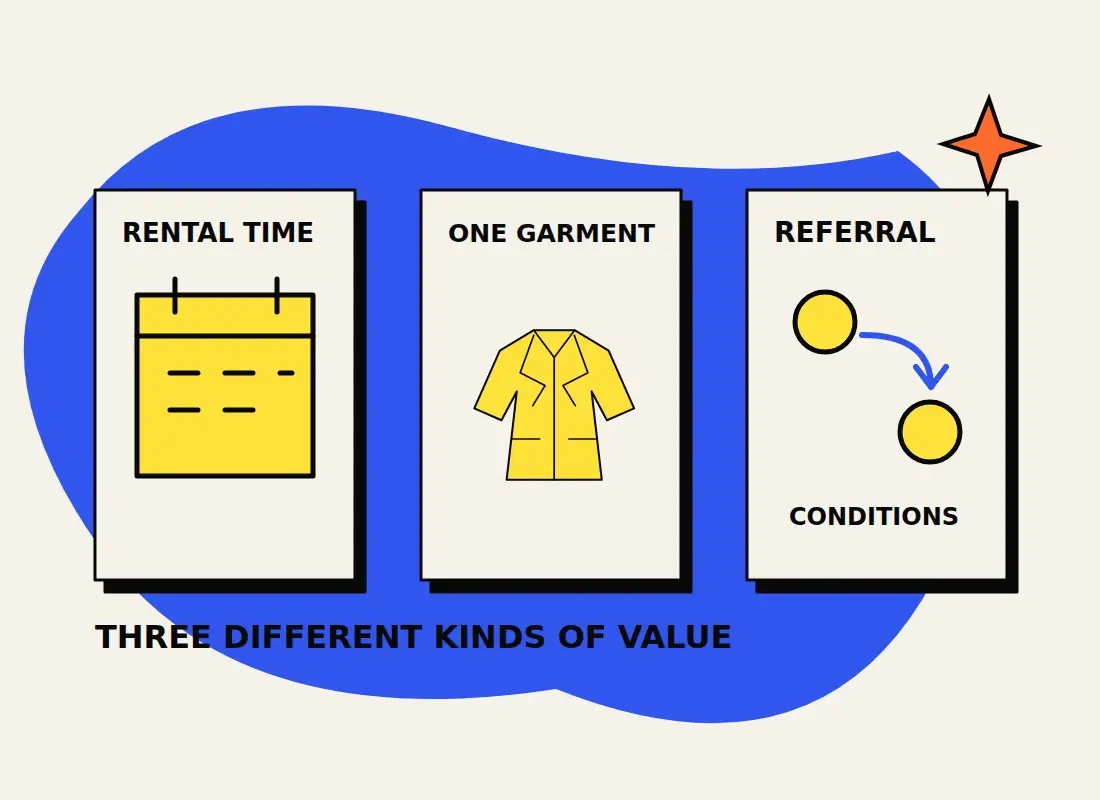
The service introduction captured on March 3, 2024 described monthly rental, three pieces per box, and unlimited shipping and exchanges. Its delivery description covered street addresses in the United States and Puerto Rico, while excluding the Northern Mariana Islands, Virgin Islands, Guam and American Samoa. A stated ambition to expand internationally did not establish an international service.
The workflow overview described browsing, subscribing, adding clothes to a virtual closet, receiving a box and returning the garments in prepaid bags. It also described buying a piece already at home. The purchase reconstruction explains that separate decision; renting and buying were not interchangeable states.
The overview said the first box would be shipped within two to three days. That was dispatch wording, not a promise that it would arrive within that interval. The shipping article compares the more specific processing and transit answers rather than merging them into an invented delivery date.
An email address was only the beginning
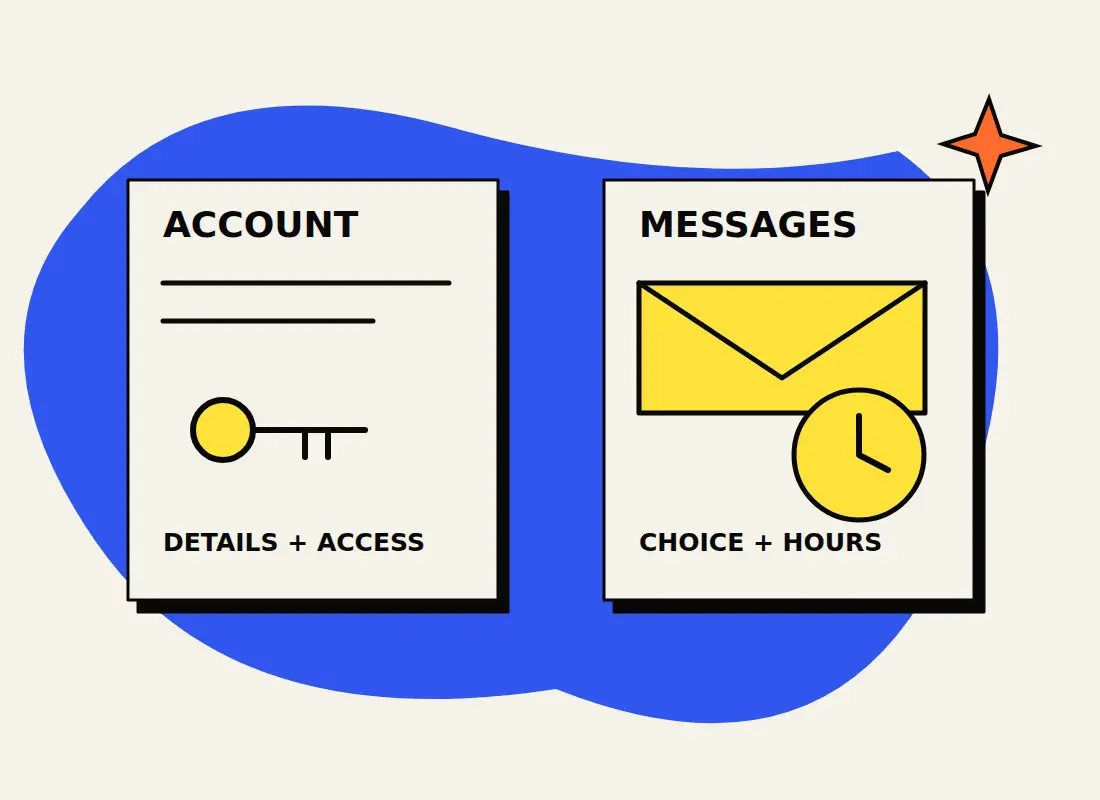
The overview started with a guest account created using an email address and password. But the answer about when email registration became membership required billing information to start the subscription. An email entry was not, by itself, the complete subscription process.
The subscription instructions added a valid credit card, a US shipping address and at least eight clothes in the virtual closet before the member entered the preparation list. They recommended twenty or more items in On-the-Rack. Eight was a selection-pool minimum; it was not the number of pieces in the box.
Imagine a fictional reader who has registered an email and browsed six appealing jackets. That does not establish a paid membership, a sufficiently populated closet or a dispatched parcel. Each requires information or an event beyond browsing. Our closet guide follows those selection states, including why saving an item did not reserve it.
The collection was online, and its scope had limits
The browse-before-subscribing answer said the collection could be viewed before taking out a subscription. The catalogue answer explained that the business operated online and said its inventory changed daily, so it did not offer a separate catalogue. Both directed readers to the online collection.
Those descriptions explain the old navigation; they do not preserve daily stock levels or prove that a particular photographed size was available. A catalogue capture records what was displayed at a moment, not a reservation for someone who might visit later.
The shoes-and-accessories answer captured on April 24 said neither was rented. A photograph of a styled outfit therefore would not, on its own, show which pieces the subscription supplied. That distinction belongs in any reading of a fashion catalogue: the image can present a look broader than the individual item offered.
Shared clothes, stated inspection and normal wear
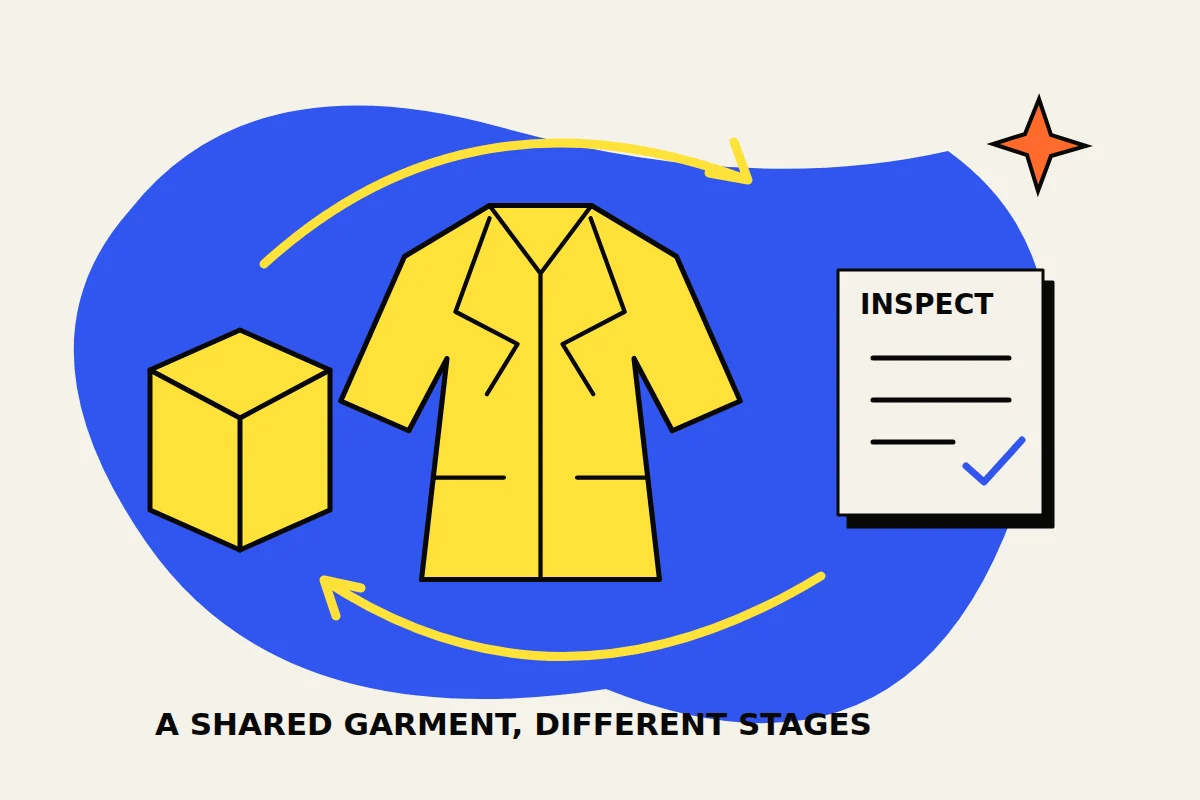
The previously worn clothing answer captured on February 22 explicitly said garments were shared among members. It described cleaning, three inspection rounds and hand-packing as the operator’s preparation process. Those are attributed process claims. The answer gives no item-level inspection record, cleaning protocol or independent test, so it cannot establish the condition of an individual parcel.
The damage answer said members would not be held accountable for normal wear and tear, using snags, spills and fallen hems to introduce the subject. It did not supply a complete damage classification, explain every stain or cover loss. Reading the examples as blanket permission for any degree of damage would stretch the brief answer beyond its stated category.
Responsibility for normal wear is also different from an instruction about cleaning. Our care-label guide separates the owner’s directions, the garment’s label and the time needed to complete care. A reassurance about everyday wear does not tell someone which wash setting to choose.
What happened when a garment left circulation?
The entire substantive retired-clothing answer captured on March 3 was a statement that the operator donated those clothes to a local charity. It named no recipient, gave no quantities or dates, and described no sorting or acceptance conditions.
That is enough to report the operator’s stated route for retired clothing. It is not enough to identify a charity, trace a particular garment or calculate an environmental benefit. The archive’s useful detail is the distinction between continuing to circulate a piece and removing it from the rental collection.
Read as a sequence, the service’s old help pages describe entry to the account, choices for a box, use of shared clothing and a route out of circulation. They explain the model without establishing that every promised step happened for every garment. For an outfit plan of your own, the practical companion is our week-based wardrobe guide, which starts with the occasions and clothes you actually have.