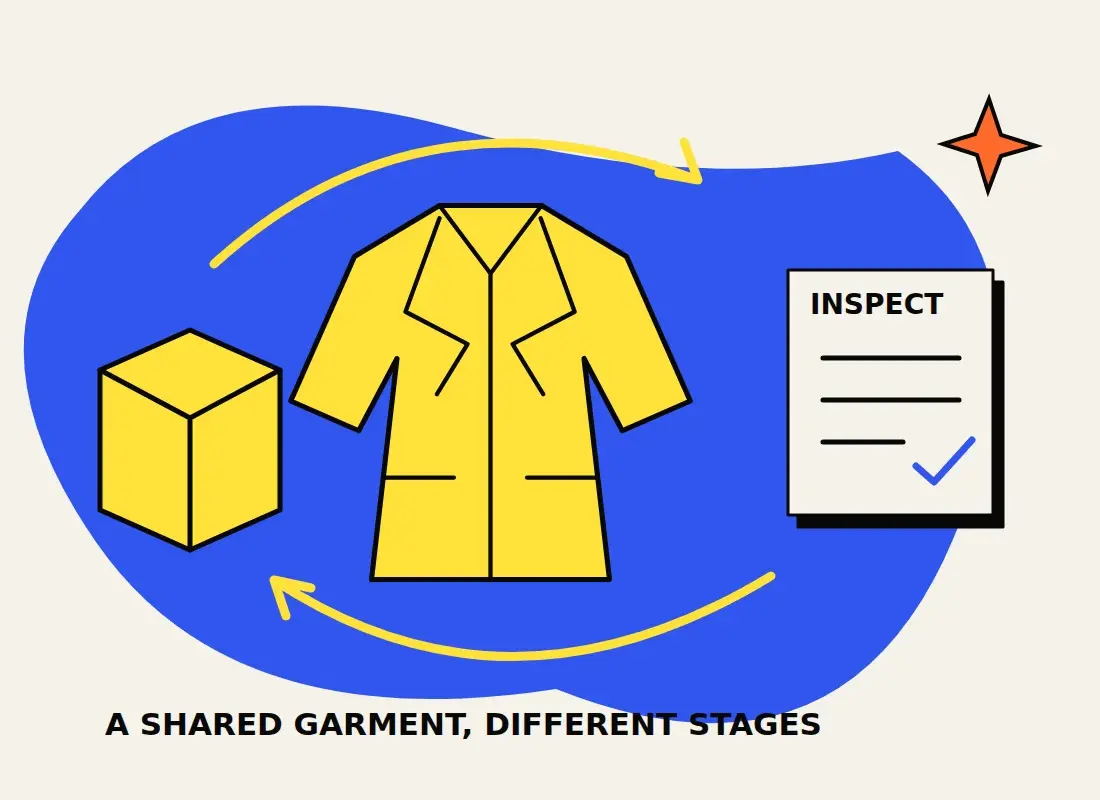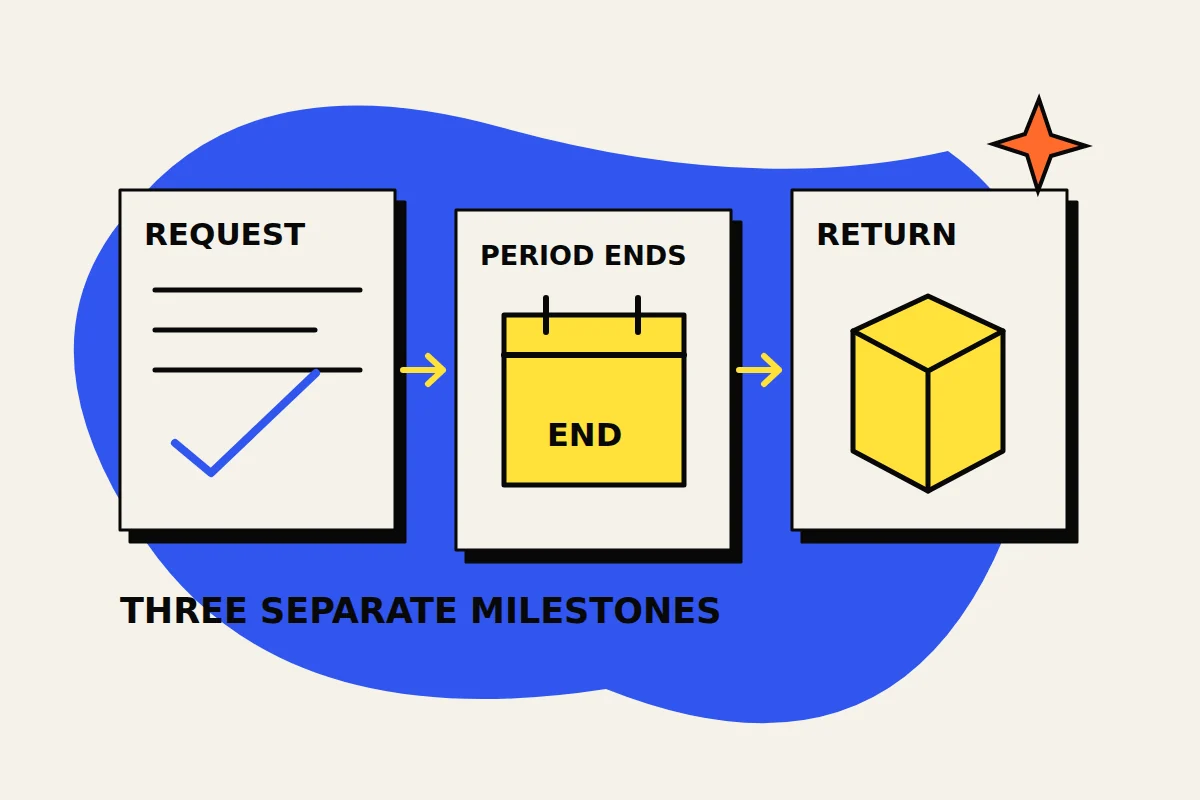
The end of a clothing subscription involves more than cancelling the next payment. In the former Box service, the request to cancel, the end of the paid period and the return of the clothes were separate events. Reading them as one event makes the archived instructions much harder to follow.
This is a historical reading of the operator’s help pages captured between February and May 2024. It explains what those pages said about trials, billing and leaving the service. This independent journal does not operate the subscription or administer former accounts; the statements below do not establish anyone’s present legal rights or the outcome of an individual payment.
What the monthly price covered
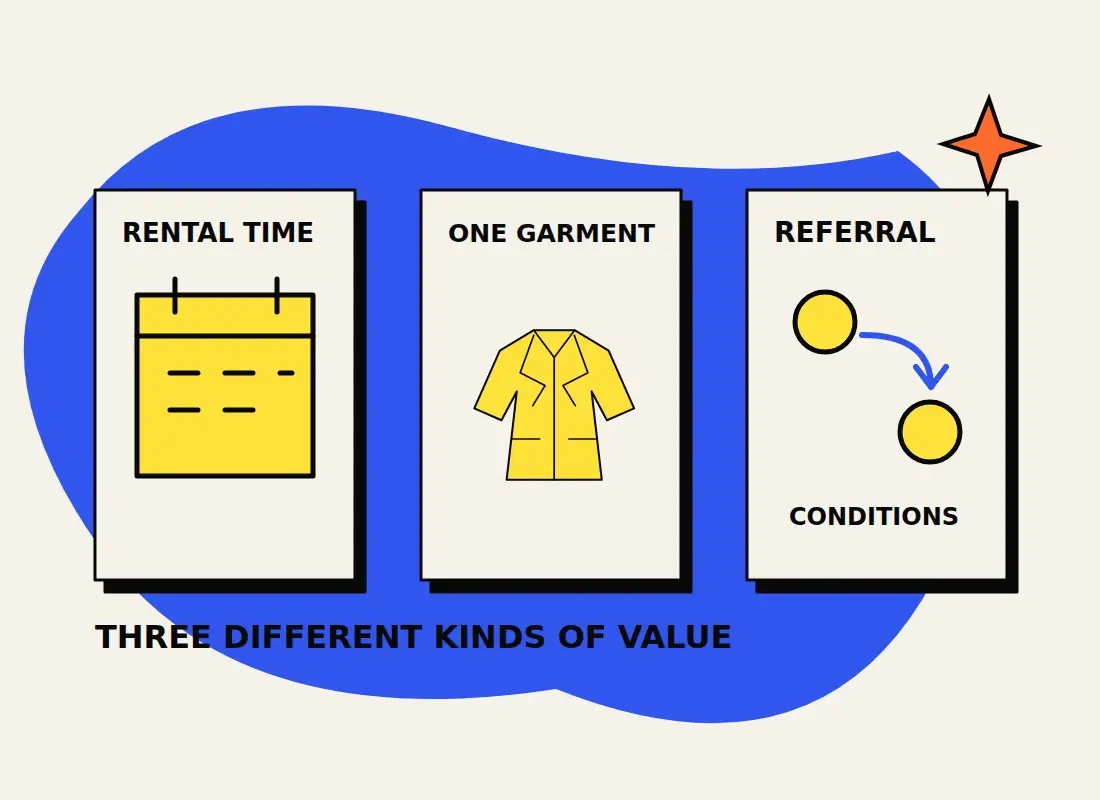
The price answer captured on April 24, 2024 described a three-garment plan at $79 a month, plus applicable taxes, with unlimited exchanges and shipping both ways included. Three garments described the plan, not three new items to own each month. The separate return-and-delivery reconstruction explains the exchange process and its conditions.
The billing answer described an automatic monthly card payment on the day of the month the membership began. It did not explain every calendar exception, such as what happened when that date did not occur in a shorter month. The useful point is the relationship to the membership’s billing cycle, rather than an assumption that every member paid on the first.
Why the free-trial answers need to be read together
Two pages captured on May 19 used different language. The short answer about when a card was charged said cards were pre-authorized at sign-up, then called the entry a charge that would reverse within a few business days. The more detailed pre-authorization answer explicitly distinguished it from a charge: the operator said it authorized the full plan price unless otherwise stated, voided that authorization immediately, and left the timing of released funds to the bank or card issuer.
The detailed answer explains the intended distinction, while the short answer blurs it. Neither archived page is a bank statement. They cannot establish whether a particular member saw a temporary authorization, a completed payment or some other transaction. Nor does the short answer justify promising a fixed release date when the detailed one makes timing dependent on the issuer.
The operator gave two reasons for requiring a payment method: clothes were being sent out and might not be returned, and the account needed a payment method after the trial. The retrieved answers do not state the length of the trial. They also do not establish a universal dollar amount for every trial authorization; the April plan price and the May explanation are separate records, with an express exception in the latter.
A payment record was different from an accepted card
The billing-details instructions placed the account record under the member’s name, then My Account and Billing Details. The declined-card answer listed standard Mastercard, Visa, Discover and American Express credit and debit cards, but said the third-party billing system determined acceptance. The operator said it could not override that decision and did not accept gift cards for recurring payments.
That answer is a description of a payment process, not a diagnosis of why one person’s card failed. It also concerns a different transaction from buying a subscription for someone else. The gift and referral guide separates gift-purchase methods, a recipient’s stored card and credit on an account.
For an account discrepancy or additional refund question, the archived answers referred members to the former support team by email or phone, with weekday response and phone hours of 9 a.m. to 5 p.m. Eastern Time. They supplied an escalation route, not a published decision about any individual case.
Three milestones when a membership ended
The cancellation answer captured on April 23 described an account-page cancellation link or the link in the original subscription confirmation email. It said cancellation could be requested at any time, took effect at the end of that billing month and was not prorated.
- The request. A member used one of the documented cancellation links. The date of that action was not necessarily the end of the paid period.
- The membership end. The mid-period answer said members could keep items for the remainder of the billed period. It stated that the operator offered no subscription refunds, partial refunds or credits. That is the operator’s historical published position, not an independent assessment of an individual claim.
- The clothing return. The post-cancellation return answer directed members to use the provided bag, return all items within seven days of the membership end date and keep its tracking number. It reserved the right to charge for items not returned.
Consider a hypothetical member who requests cancellation halfway through a paid period while still wearing the borrowed pieces. Under the documented sequence, that request does not itself send the clothes back, turn them into owned items or restart a fresh seven-day period. The return answer anchors its interval to the membership end date.
There is a limit to the precision available here: “return within seven days” does not clearly specify in that short answer whether the parcel must be posted or received within the interval. A tracking record would document a parcel’s progress; it would not resolve that missing definition in the policy text. Inventing a precise delivery deadline would make the reconstruction less reliable.
A pause was mentioned, but its terms were not supplied
The pause answer captured on February 22 offered paid members a hold through the former phone or email support channels during weekday hours. It gave no duration, fee, billing treatment or instructions about clothes already out. It therefore does not support treating a pause as a free extension, a cancellation or permission to keep garments indefinitely.
The archive is clearest when its stages stay separate: authorization, monthly payment, cancellation request, membership end and physical return. A cancellation record answers when a request was made; a membership record identifies the end of the paid period; a parcel record describes the clothing’s return. None of those records alone establishes all three.