Saving a dress was not the same as booking it. In the former Box service’s virtual closet, a saved style could be a candidate for the next shipment, a bookmark for another season or an item already moving through the rental cycle. Those distinctions explain why a long wish list did not necessarily produce the particular outfit a member had in mind.
This is an independent reconstruction of help pages captured between February and April 2024. It describes the old interface and its stated rules. The account, wardrobe controls and rental service are not operated by this journal.
Three sections, three different jobs
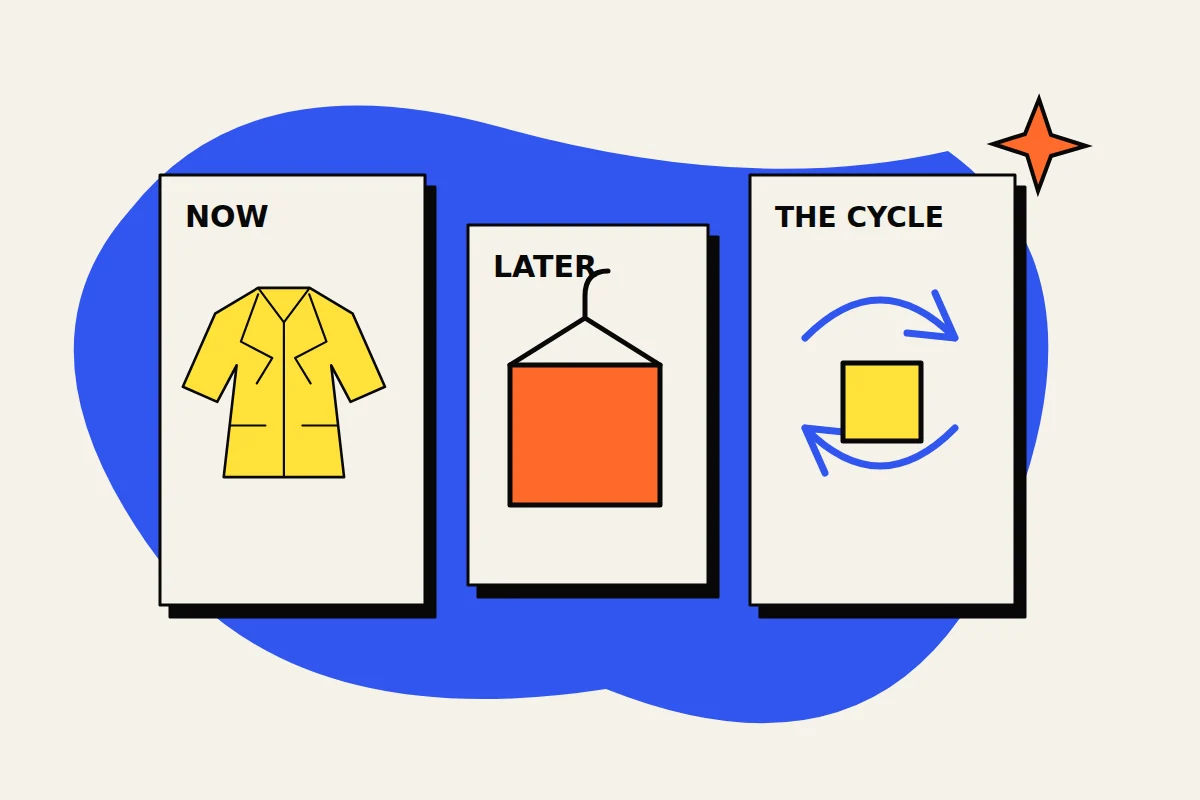
The closeting introduction divided the wardrobe into three sections. On-the-Rack held styles the member wanted to receive. On-Hold kept styles for later. At-Home covered the items already shipped to that member.
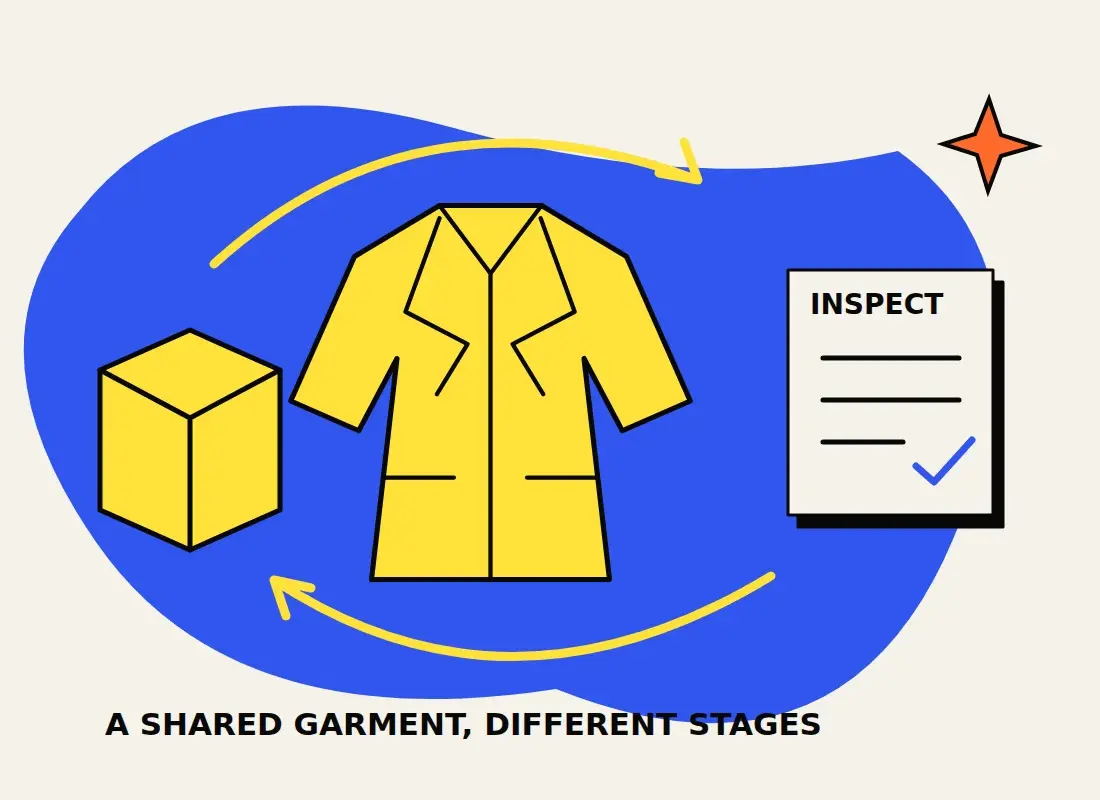
That last label was broader than it sounded. The source explicitly included clothes on their way to the member, clothes in their possession and clothes being shipped back. Reading “At-Home” as a literal inventory of what was hanging in someone’s room would therefore miss two stages of the journey.
Think of an illustrative wardrobe with a summer dress saved for later, a work jacket wanted now and trousers already in the return post. The dress belonged in On-Hold, the jacket in On-the-Rack and the trousers could still appear in At-Home. The example shows why the section name mattered more than the fact that all three items were visible in one account.
Eight was a minimum; twenty was a recommendation
The closet-minimum answer captured on March 3, 2024 required eight items before a package could be shipped and suggested twenty or more in On-the-Rack for a smoother experience. A separate April answer connected the eight-item minimum with the plan allowing three garments out at a time. Neither number meant eight or twenty garments would arrive in a box.
A fuller list gave the packing process more acceptable alternatives. The former operator associated a fuller list with quicker turnaround, but the retrieved answers do not establish a guaranteed improvement. The useful distinction is between giving a service more choices and securing a particular choice. The sources described an unlimited list size but did not provide measured turnaround improvements, stock probabilities or a guarantee for a dated occasion.
The first-box answer said processing began once the eight-item minimum was met. It separately described processing and postal delivery. Building the list was therefore an input to fulfilment, not evidence that a parcel had already been packed or sent. The return-and-delivery guide separates the documented processing and transit intervals.
Priority expressed a preference, not a reservation
The archived favourites answer said available prioritised pieces would be considered ahead of other items, while expressly declining to guarantee individual garments. The priority explanation likewise made availability decisive. A member could rank a jacket highly and still receive another acceptable style.
There were also small differences in the interface descriptions. One answer used an Options menu; another described switching the Prioritize control to On. These are documented instructions from separate captures, not a reason to invent a single screen that combines every control.
The paid selection feature had a different set of conditions. Our Dart reconstruction explains its temporary selection window and dispatch promise. Treating ordinary priority as that same feature would erase the distinction the help centre made.
Keep later choices out of the active pool
The seasonal-clothing answer used On-Hold for pieces a member wanted eventually but did not want in the next rotation. Moving a winter sweater there retained the idea without leaving it among the active options. When the season or occasion changed, the member could move it back.
This is a useful way to read the old workflow: “I like this” and “I would wear this next week” are different decisions. Filling the active section with attractive but unsuitable options could meet the numerical minimum while making the next box less useful. An occasion-based wardrobe rotation starts with the actual week, then identifies which pieces could serve it.
What the surviving controls let a member inspect
The help pages describe access through a hanger icon, browsing Collections through the top navigation and selecting a size before adding a style to the closet. The add-item instructions placed the result in On-the-Rack. The documented choice therefore included a size, not just a style name.
The item-detail instructions distinguished the shipment date shown in At-Home from the date a style was added to On-the-Rack. Those dates answer different questions: where an existing shipment was in its cycle, and how long a preference had been saved.
- Delete removed an unwanted item from On-the-Rack or On-Hold.
- View Removed was described beneath the On-the-Rack items.
- View History belonged to the At-Home section.
The remaining brief answers confirm the hanger-icon entry point and Collections navigation. These are records of the former interface, not working buttons offered here. For an actual garment decision, the next useful question is whether the chosen size and construction suit the wearer; our measurement guide explains that separate check.