Keeping a favourite piece meant more than leaving it in the wardrobe. The former Box service described a separate purchase step: inspect the price, confirm the purchase and charge the card on the account. Until that step was completed, liking a rented garment did not turn it into an owned one.
This article reconstructs the former Try-Then-Buy workflow from help pages captured in March and April 2024. The journal does not offer checkout, process payments or handle that operator’s returns. The archived policy statements below are attributed to their source; they are not a determination of anyone’s present contractual rights.
The intended route was through the item already sent
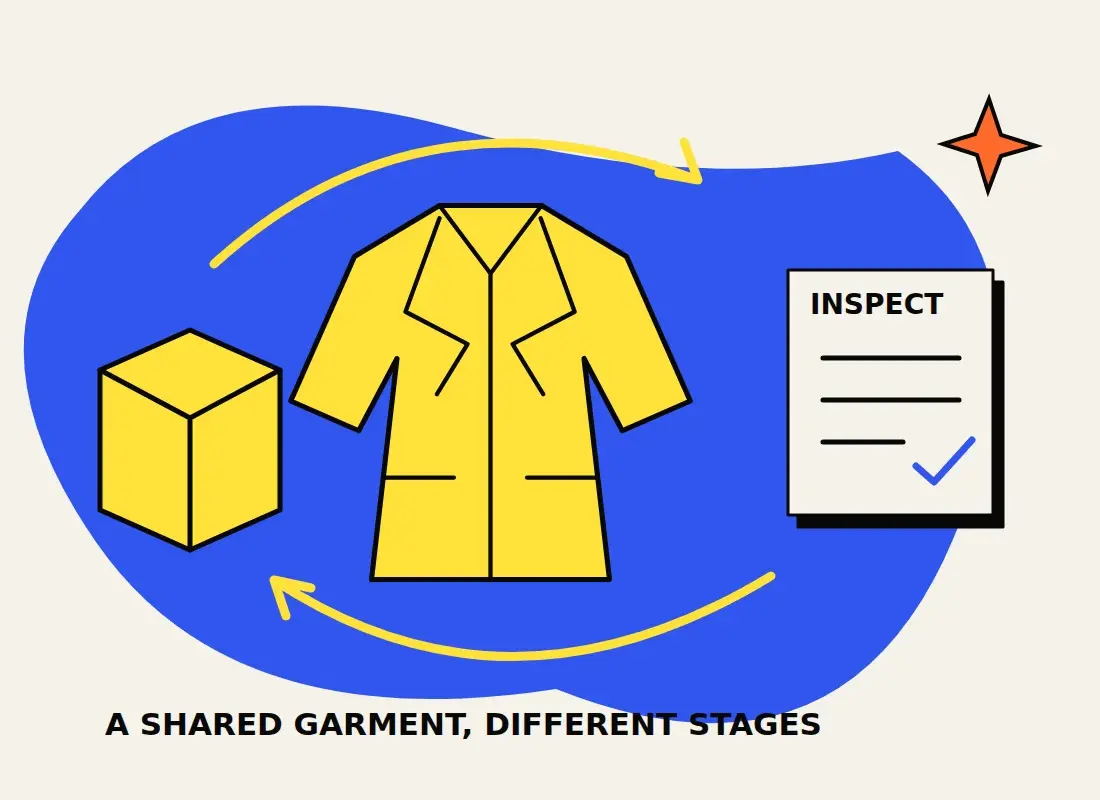
The untried-item answer described a sequence: add the desired style to On-the-Rack, receive it, then consider purchasing from At-Home. It said members could not buy a piece they had not tried through that route. This made the actual garment, its size and its fit central to the decision.
The purchase explanation placed Buy Item below the garment in At-Home. It told the member to check the price before confirming. A shorter instruction page repeated the account-card charge. Neither source described a separate public shop checkout that this archive could recreate.
An illustrative fitting decision might concern a jacket that looks right while standing but pulls across the shoulders when reaching forward. The point of trying that particular piece is to discover the constraint before deciding to keep it. Our fit guide separates measurements, ease and movement; a familiar size label alone does not describe the fit of a particular garment.
The displayed price and the account card mattered
The discount answer promised a reduction from retail price, but supplied no universal percentage, dollar amount or pricing formula. The brief answer does not establish an item’s actual price, the retail comparison used or a purchaser’s realised saving. The purchase instructions instead made the price displayed for that item the decision point.
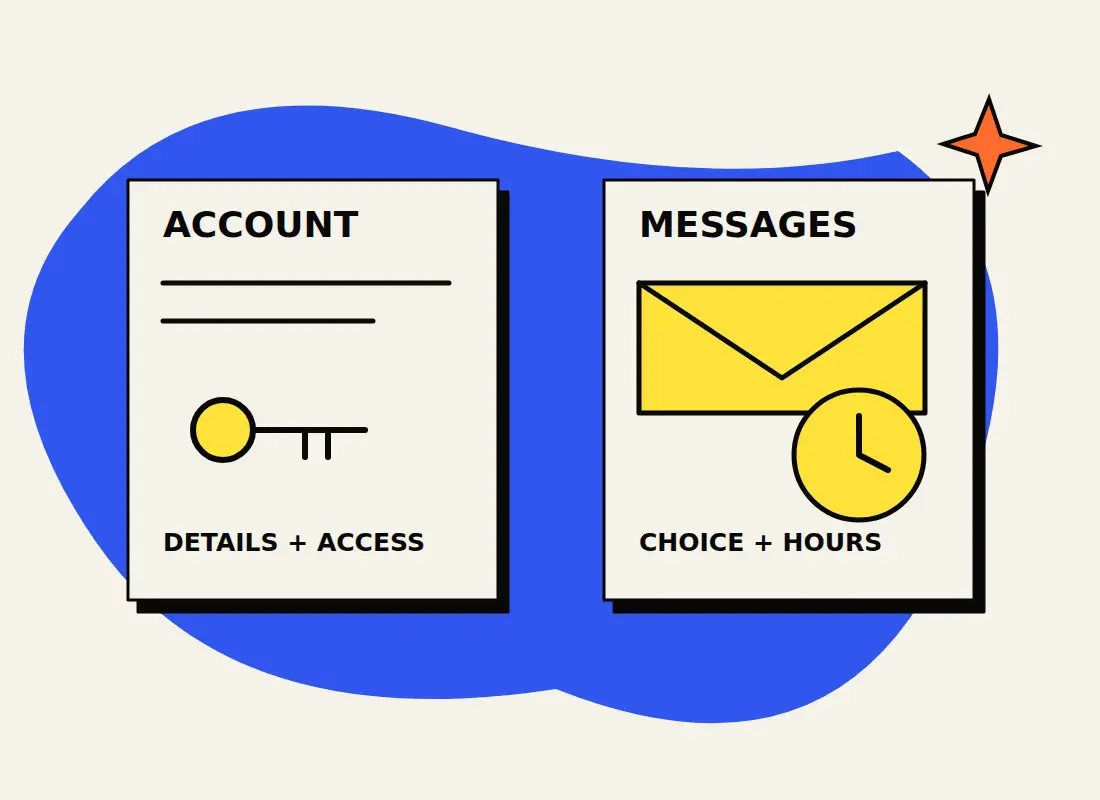
The alternate-card answer said the operator would charge only the card currently stored on the account. To use a different one, the member first needed to update Billing Details. That is a description of the former account flow, not an invitation to submit payment details to this journal.
The distinction is easy to miss in an archive: a general discount statement describes a pricing policy; the item’s displayed price describes a proposed transaction. A record of a purchase would be another piece of evidence again. The history answer placed purchase records in Purchase History on the account page, with links from purchased items in closet history.
Why a garment could still be visible but unavailable to buy
The disabled-Buy answer identified Return Notify as one reason a purchase could be unavailable: the next shipment was being prepared to replace that item. It directed members to the former support team to remove the notification. Merely continuing to see the garment in At-Home did not prove it remained available for purchase.
That fits the closet’s broader use of At-Home, which included clothes in transit as well as clothes in the member’s possession. The label alone was not a reliable statement of either physical location or purchase eligibility.
The same answer mentioned that a new arrival’s price would appear in At-Home. It did not explain every possible disabled-button state or provide a general waiting period. Those gaps should remain gaps; the archive cannot diagnose a real account from one old support paragraph.
A different size or a returned piece meant another selection cycle
The different-size answer said a member could not simply buy a different size of the closeted item. Its documented route was to add the new size and buy after it arrived. A source referring to that option does not establish that every size was available.
For a piece already sent back, the returned-item answer described adding it again and prioritising it. The answer made that new selection subject to availability; it did not promise the member would receive the piece again. This was another availability-dependent selection cycle, not retrieval of a guaranteed reserved garment.
The related retail-versus-rental answer was similarly cautious: a style on the separate Stylist LA site might appear among future rental arrivals. It gave no date and made no commitment for that specific style. A shared name did not mean both catalogues carried the same stock.
What the source said about changing the decision
The purchase-return answer captured on March 3, 2024 stated that sales were final and used that as a reason to encourage trying before buying. That is the former operator’s published position in the retrieved page. The archive does not establish how a particular dispute was handled or whether that wording determined a customer’s rights in every circumstance.
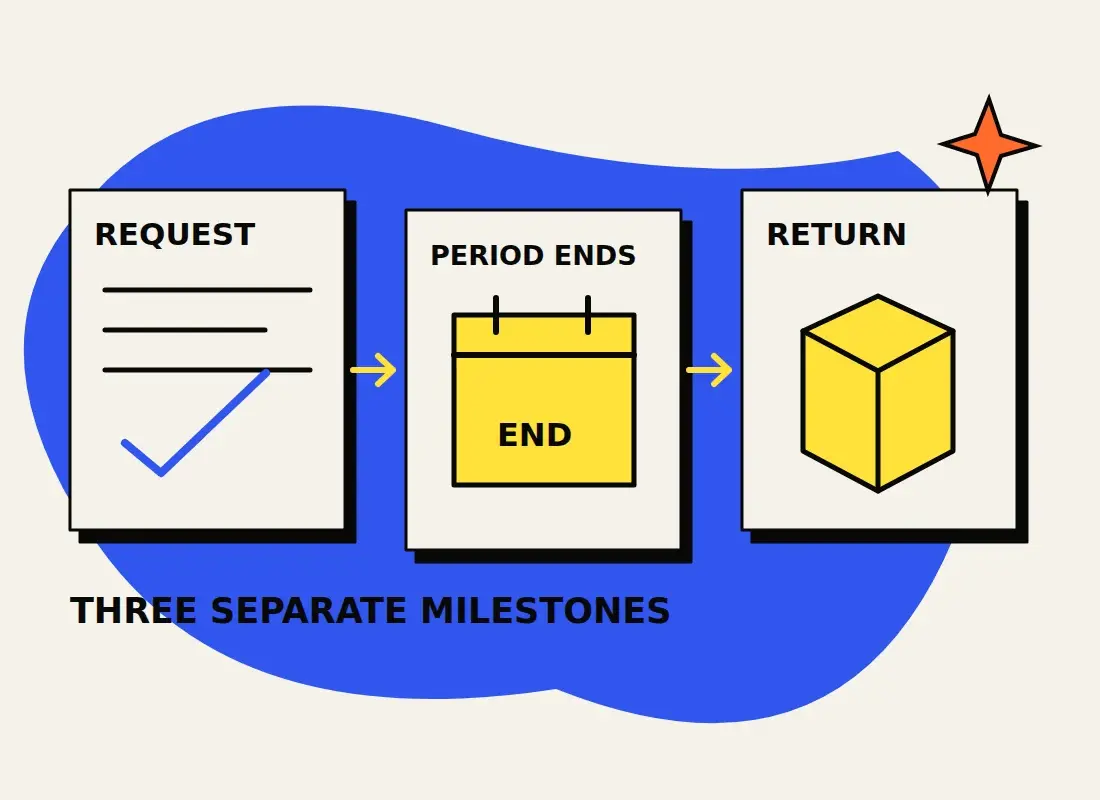
The lasting distinction is practical: wanting the style, enjoying the fit and choosing the particular item at its displayed price are three separate decisions. The old purchase flow put them in sequence. Reading them that way explains why a rental-history entry, a priority flag and a completed purchase record were not interchangeable.