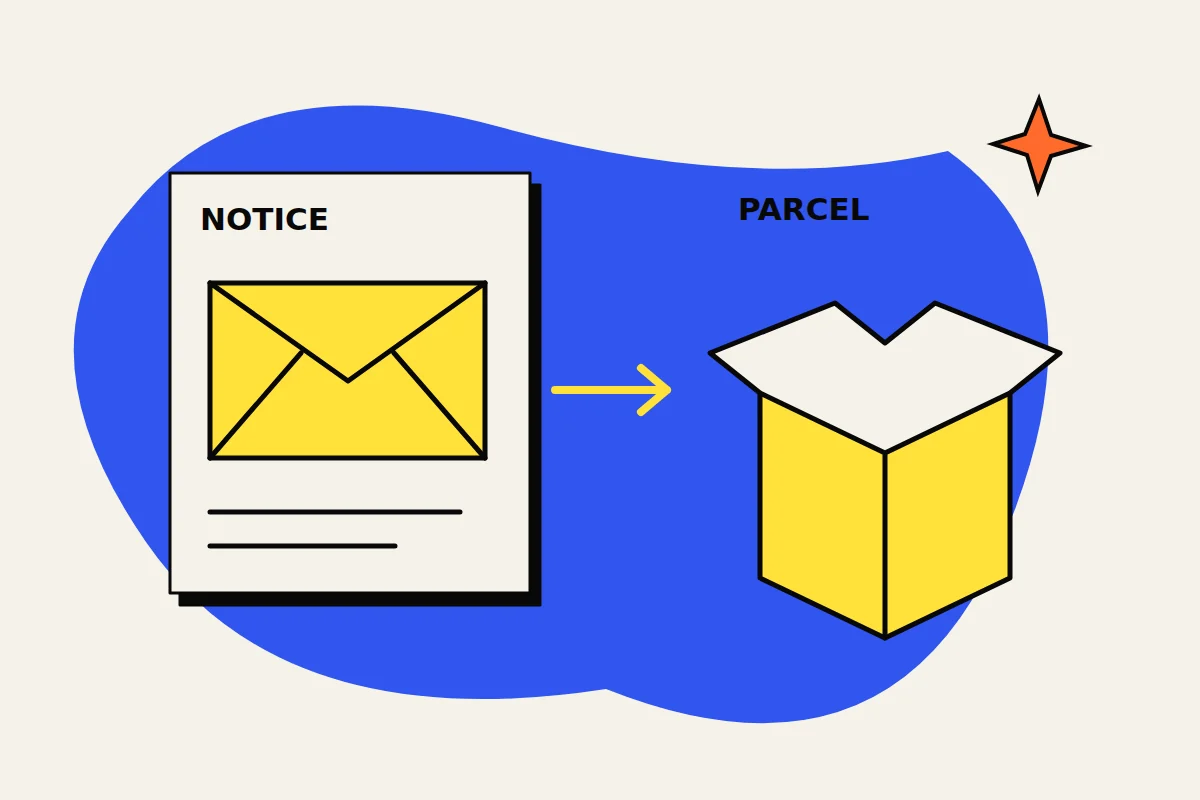
A return notification was a message about the next step, not a parcel arriving back at the warehouse. The former Box service used it to start the next shipment process sooner. Understanding that separation makes sense of several otherwise confusing help answers about exchanges, outstanding pieces and delivery delays.
The procedures below come from support pages captured between February and April 2024. They document the former operator’s statements, not a current shipping service or a promise about any individual order.
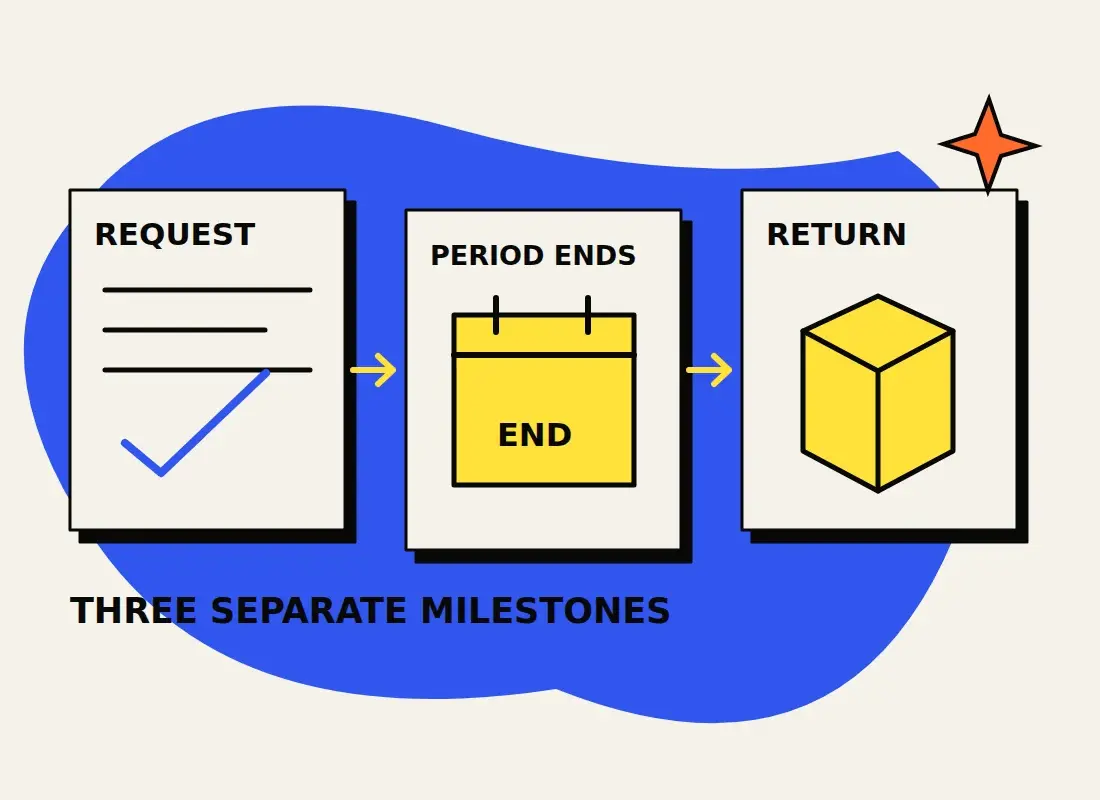
The notification and the physical return were separate
The Return Notify instructions directed a member to the At-Home section, then Return Item, feedback and Submit. The exchange answer separately told them to put all three pieces in the prepaid return bag and use the postal return route. Clicking a control did not replace packing and sending the clothes.
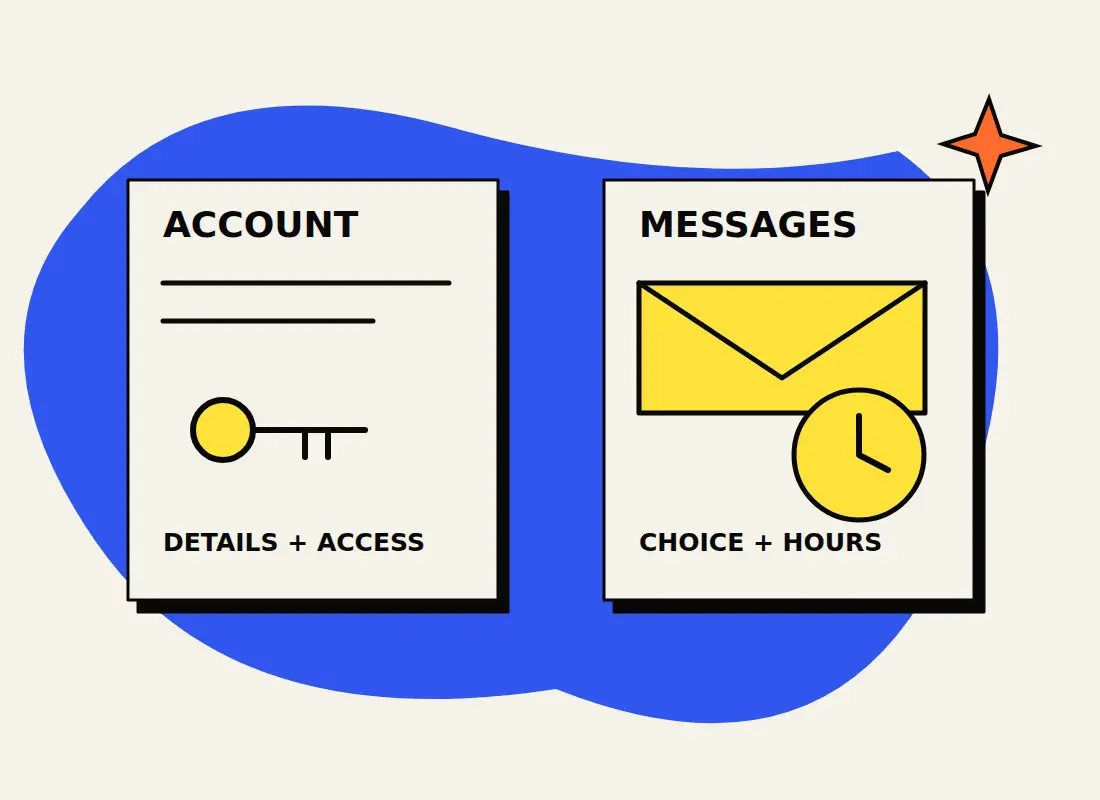
One exchange-frequency answer said the notification triggered the next shipment when the member still met the eight-garment closet minimum and the account was in good standing. This connected three things: the outgoing garments, the active choices for the next box and the account’s eligibility. The turnaround answer made the same link between a sufficiently populated closet and signalling a return.
A mistaken notification was not described as something the member could simply undo with the same button. The correction answer asked for the garment’s name so the former support team could reset it. That matters when reading the archive: a recorded intention to return an item could affect other controls before the physical parcel moved.
Why one outstanding piece could hold up the next box
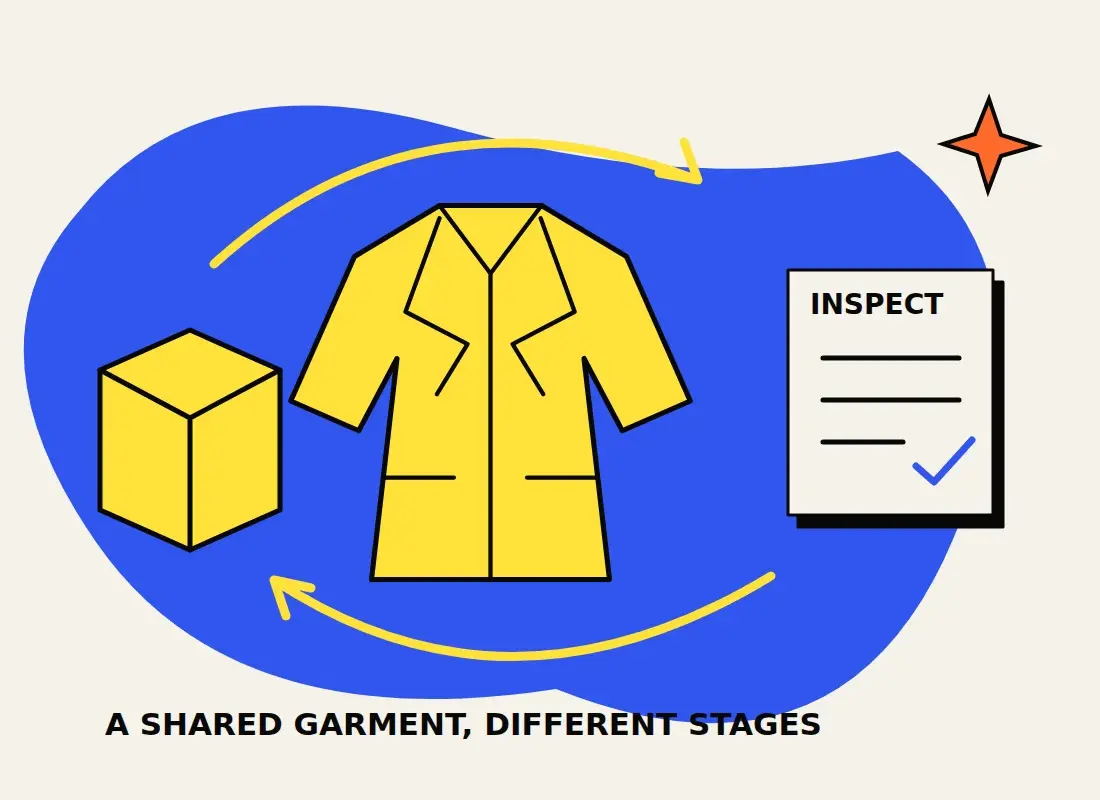
The return-bag instructions said to send all three items together, except any that had been purchased. The fewer-than-three answer then covered an incomplete return: the member could request another prepaid label, but needed to provide another bag or box. The next box would wait until the outstanding items were return-notified or physically received.
Consider a clearly hypothetical case: two pieces go into the bag, while a third is left on a chair. A tracking number for that parcel would not show that all three pieces had been handled. The relevant questions would be which items were packed, which had been purchased, and what state the third item held in the account. That is why the old instructions operated at both item and parcel level.
The sources do not establish how staff resolved every mixed purchase-and-return case. They describe a rule and a correction route, not a record of individual outcomes. The purchase reconstruction explains the separate change from rented item to bought item.
Processing time was not delivery time
An answer headed “How long will it take for a package to get to me?” actually said the package would be shipped within two to three days after returns were received or Return Notify was used. That wording concerns dispatch. Reading it as arrival within two to three days would change the promise.
The first-box answer captured on February 22, 2024 made the stages clearer: typically two to three days of processing, followed by USPS Priority Mail delivery described as typically one to four business days. The first interval was not labelled “business days” in that answer, so the archive does not support a precise calendar calculation made by simply adding the numbers.
Expedited processing appeared in the Dart answer, which used next-business-day dispatch wording. It also contained the name “Style Trial” within an otherwise Box-branded help page. We retain the scope as a historical support statement rather than using that line to infer another service or guarantee. The Dart article covers the related eligibility and exception rules.
Two delay questions asked about different milestones
The missing-confirmation answer used a threshold of two to three business days after all three items had been return-notified or purchased. A separate missing-box answer said to contact support if the box had not arrived within five business days. It did not clearly name the starting event for that five-day count.
These were instructions about when to raise different support questions; neither answer is evidence that a particular parcel was overdue. A confirmation is evidence about an order step; physical arrival is a different milestone. Keeping those questions separate is more informative than combining the answers into a single invented delivery deadline.
Where the documented return and delivery routes applied
A March 2024 capture described delivery to street addresses in the United States and Puerto Rico, while excluding the other listed US territories and possessions. A separate answer excluded APO, FPO and DPO addresses. A statement that international expansion was being considered did not establish an available international service.
The former operator described shipping both ways as included without an additional shipping charge. Its store-return answer said the subscription items could not be returned to The Stylist LA shops and directed members to the postal bag and label process. The shared brand name did not make the shop and subscription return routes interchangeable.
Finally, the keeping-time answer tied its open-ended wording to being a subscribed member. It was not a statement about owning the garment. For planning an outfit, keep the stages visible: a style wanted, an item selected, a parcel dispatched, clothes received and a return sent are different kinds of progress.